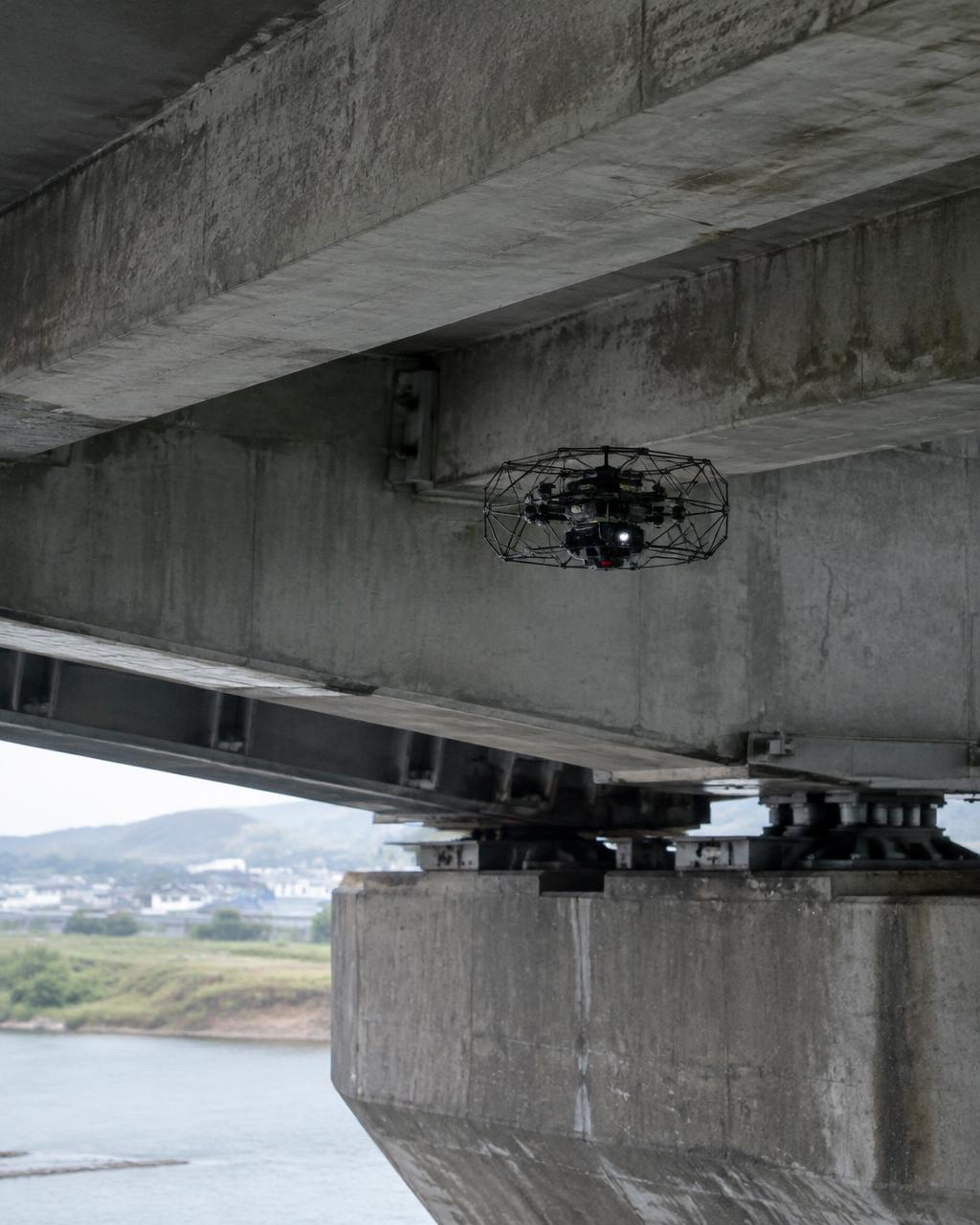
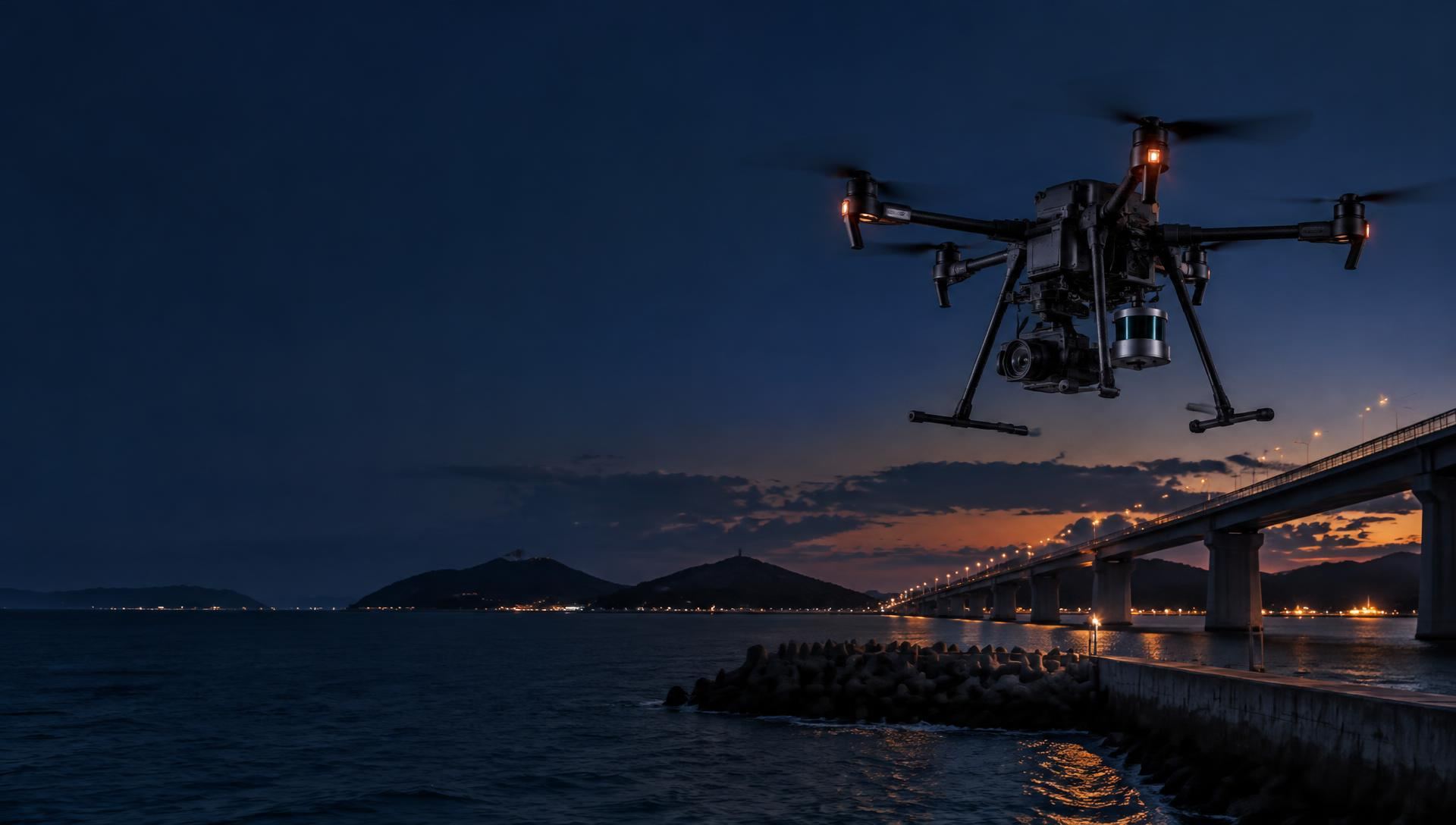
 AIR
UAVUnmanned Aerial Vehicle
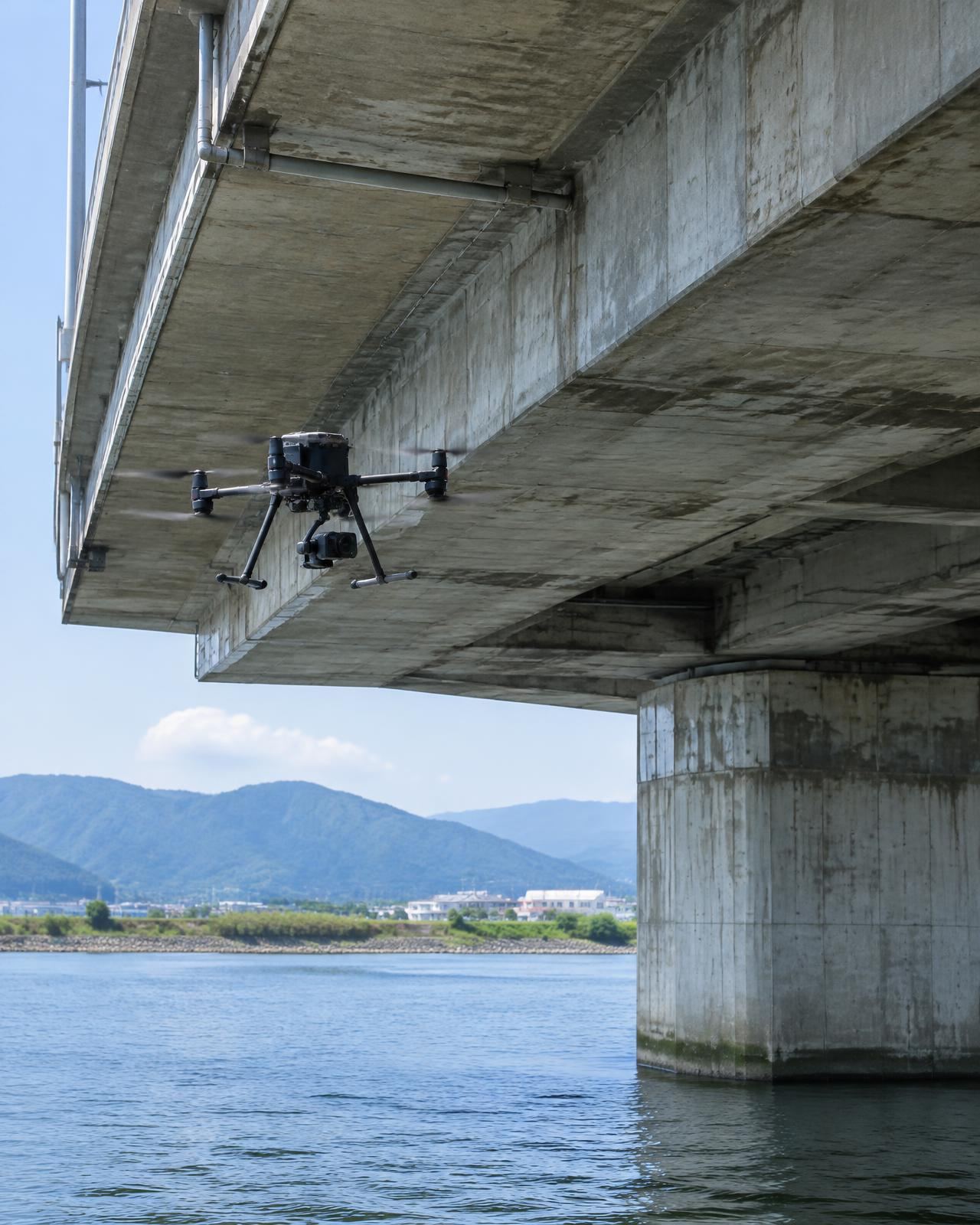
Aerial inspection of bridges, transmission lines and hard-to-reach structures.
JAPAN ENTRY · INSPECTION ROBOTICS
UAV · UGV · USV · UUV
Japan market entry for inspection robotics companies working in the air, on the ground, on the water and underwater. We start with the Japanese asset owner’s inspection problem, then shape the right partner relationship and proof of concept around your technology.
The asset, access conditions and required inspection output come first. The platform follows.
AIRAerial inspection of bridges, transmission lines and hard-to-reach structures.
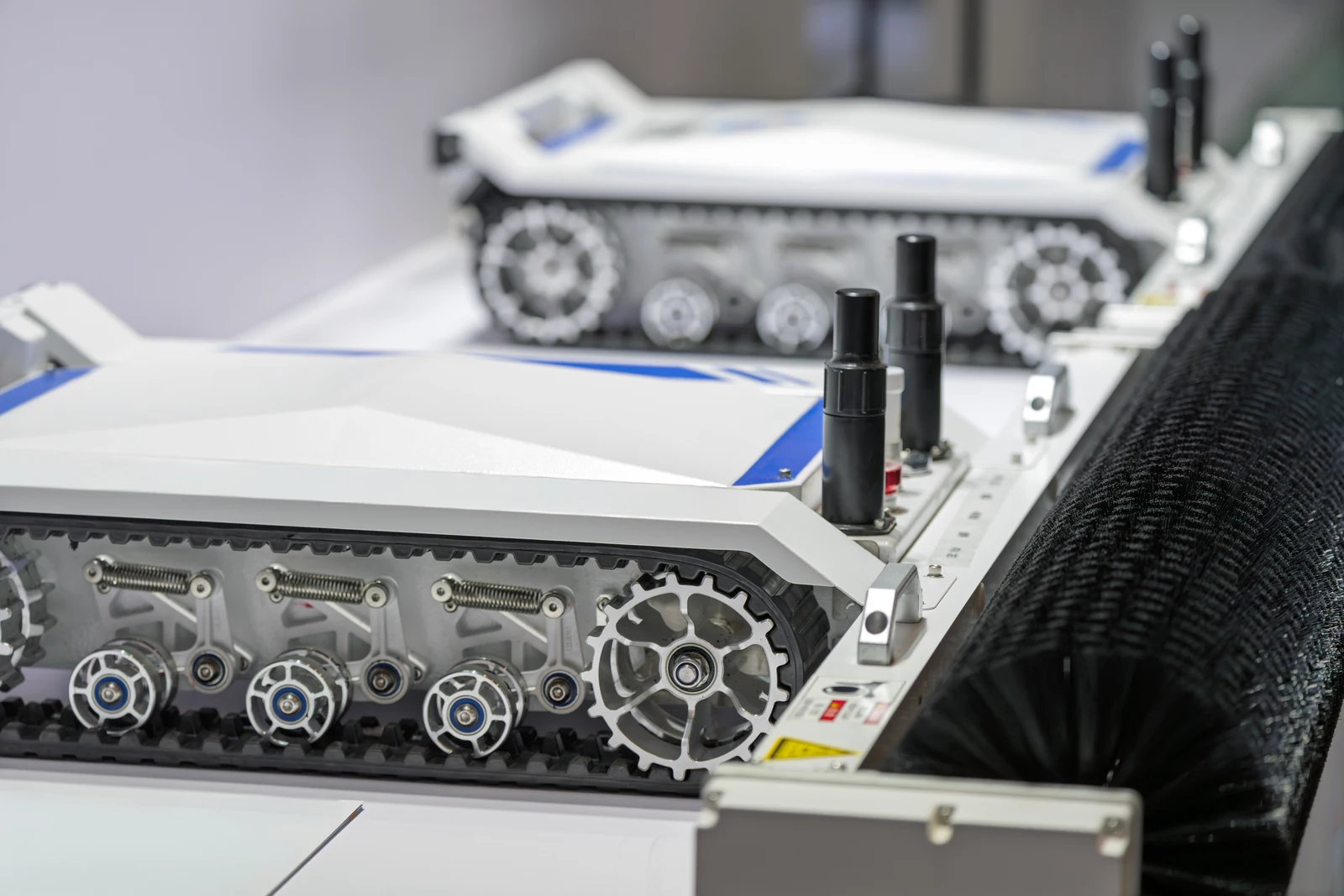 GROUND
Crawlers and ground robots for pipes, tunnels, tanks and industrial facilities.
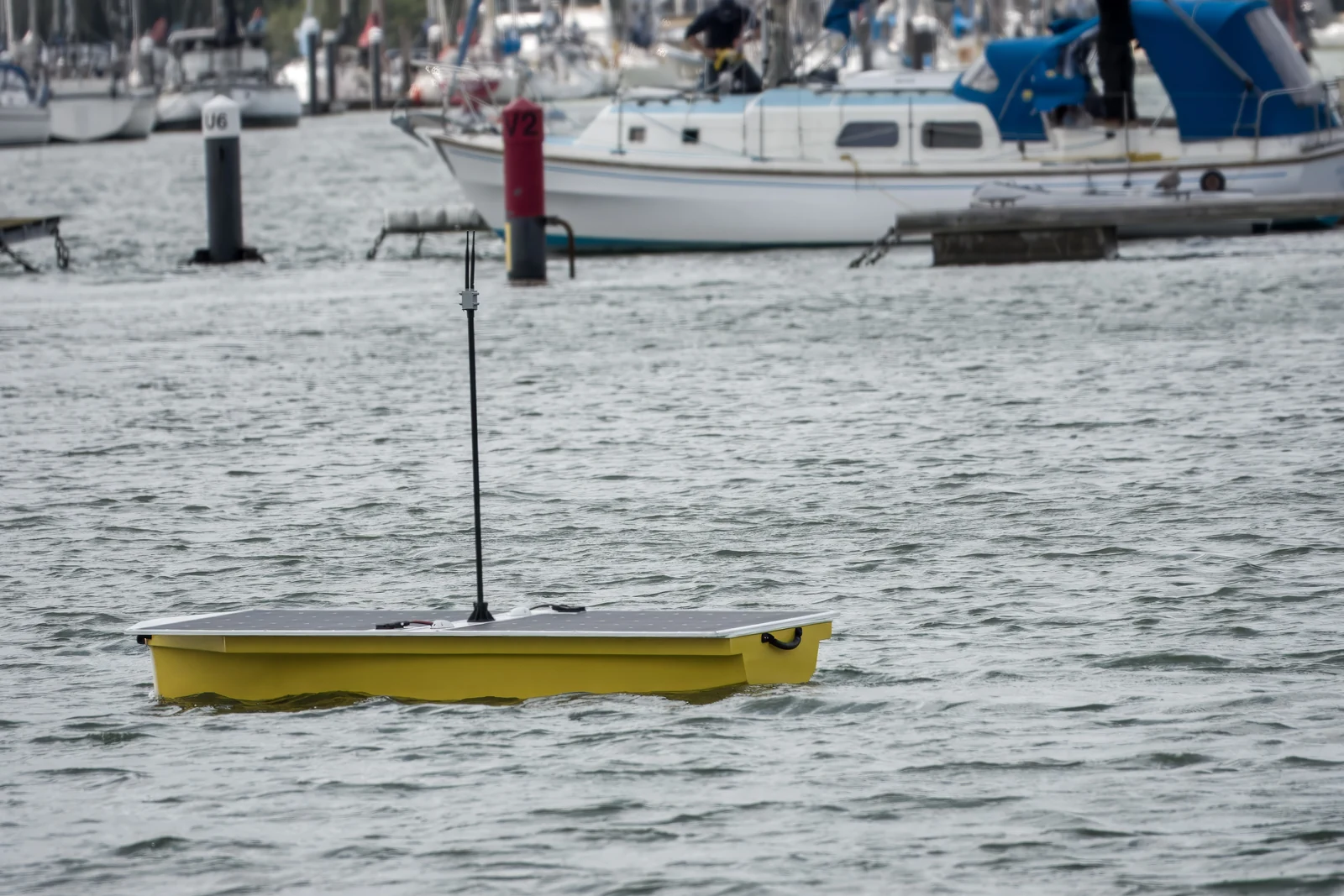 SURFACE
Uncrewed surface vessels for waterborne inspection and surveys around ports, reservoirs and marine infrastructure.
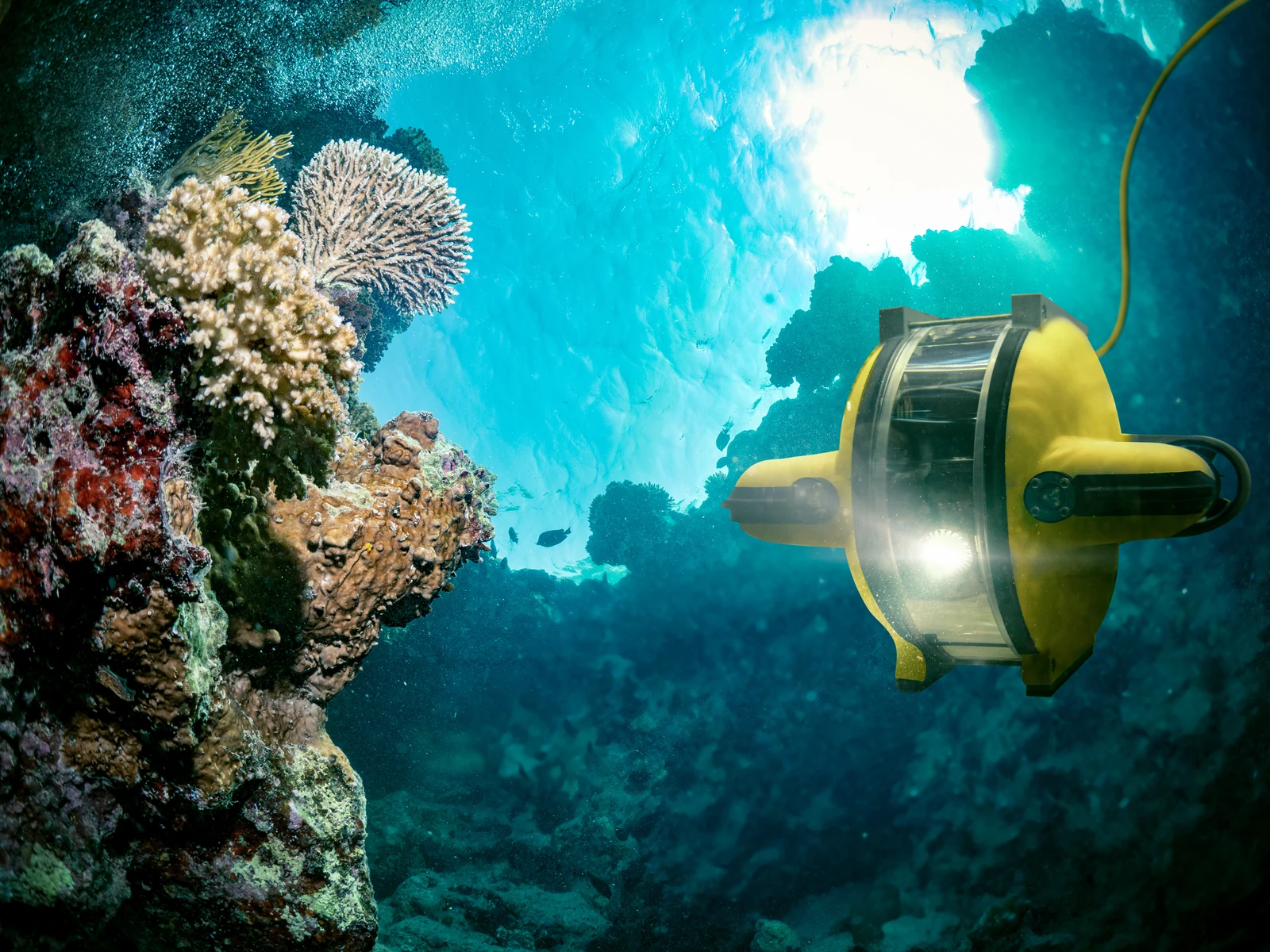 UNDERWATER
Underwater inspection with remotely operated vehicles (ROVs) and autonomous underwater vehicles (AUVs), including submerged structures, hulls and pipelines.
Illustrative inspection scenarios · Platform types, not Waypoint projects or partners
Asset access. The route to a bridge, pipe, tank or submerged structure determines what can be deployed safely and where a trial can happen.
Repeatable, usable data. Inspection output needs to be consistent enough to compare conditions and support the asset owner's next decision.
Workflow and report fit. A useful result fits the inspection team's reporting format, review process and existing tools — not just a technology demonstration.
Field validation. A trial on the right asset, with agreed evaluation criteria and the right people involved, gives a buyer evidence to assess the next step.
The need is real. The route in is not obvious.
None of these are product problems. They are structure problems — and they are predictable.
Before we bring you into Japan, we work the buyer side. Potential counterparts include utilities, transport and port asset owners, plant operators, and relevant engineering and inspection partners. We start with what they need to inspect, the access conditions and the output they can use. Then we assess where your technology fits — in the air, on the ground, on the water or underwater.
01
We map your technology against Japanese inspection needs: the asset, access conditions and required output. You get a candid assessment of where you fit, where you don't, and what needs validating before a PoC.
02
Introductions to the asset owner, inspection firm or integrator that fits how you actually sell. We design the partner structure before the first meeting, and we sit in the room with you.
03
A PoC designed around a real step in the owner's inspection workflow: target asset, evaluation criteria, site access and safety, radio requirements, applicable aviation or marine requirements, report format and review. We support field validation and document the result for the buyer's decision-maker.
The aim is a useful proof of concept and the right Japanese partner relationship — not a slide deck.
We think the most durable form of trust is a process you can watch.
Every week
A one-page written update: what moved, what didn't, what we learned, what we need from you.
Every meeting
Notes within a day, including what was said in Japanese and what it actually meant.
End of each stage
A go / no-go decision, written down.
No. Our inspection focus covers UAVs in the air, UGVs and crawlers on the ground, USVs on the water and UUVs underwater, including ROVs and AUVs. We also consider inspection AI, sensors and analytics. The asset, access conditions and required inspection output come first; we select the platform and partner approach around the task.
Depending on the inspection task, potential counterparts include utility, transport, port and plant asset owners, together with relevant engineering firms, inspection providers and integrators. The task and route to deployment determine who should be involved.
No. We are paid by the company entering Japan. That is what lets us sit on your side of the table.
Agreed in writing before an engagement starts, based on your technology and the buyers in play. We don't publish fixed packages or prices.
We help identify site access and safety conditions, radio requirements and any applicable aviation or marine requirements for the platform and deployment. We coordinate with the asset owner and appropriate specialist partners to plan what needs checking before a trial. We don't replace your legal counsel or the relevant authorities.
Inspection is our focus. We assess adjacent applications only where they address a clear asset owner's inspection task.
Tokyo.
English and Japanese.
Tell us the asset, your platform and the inspection output you deliver. We'll assess whether a Japanese PoC is a sensible next step, and what a suitable buyer and partner relationship could look like.